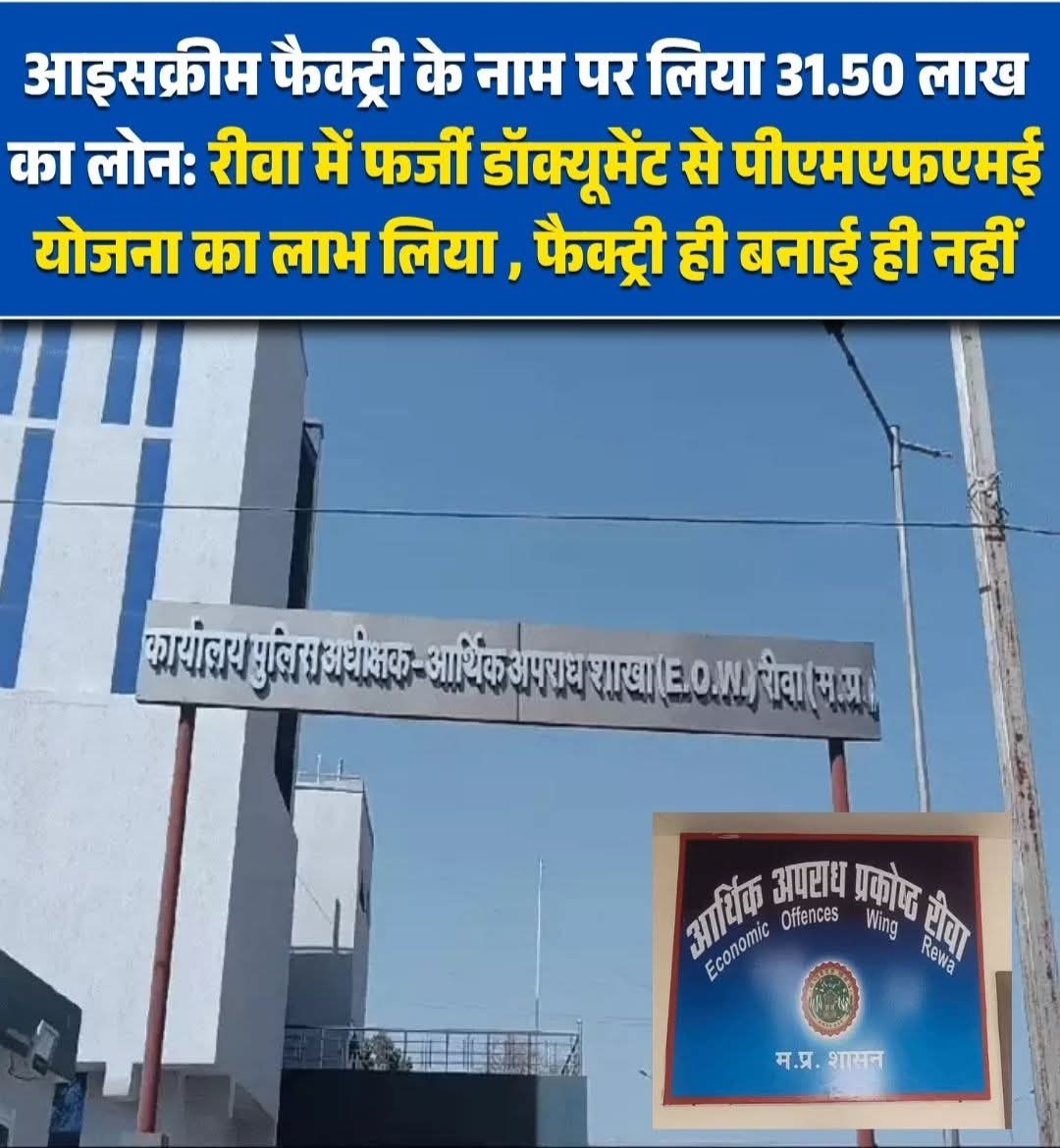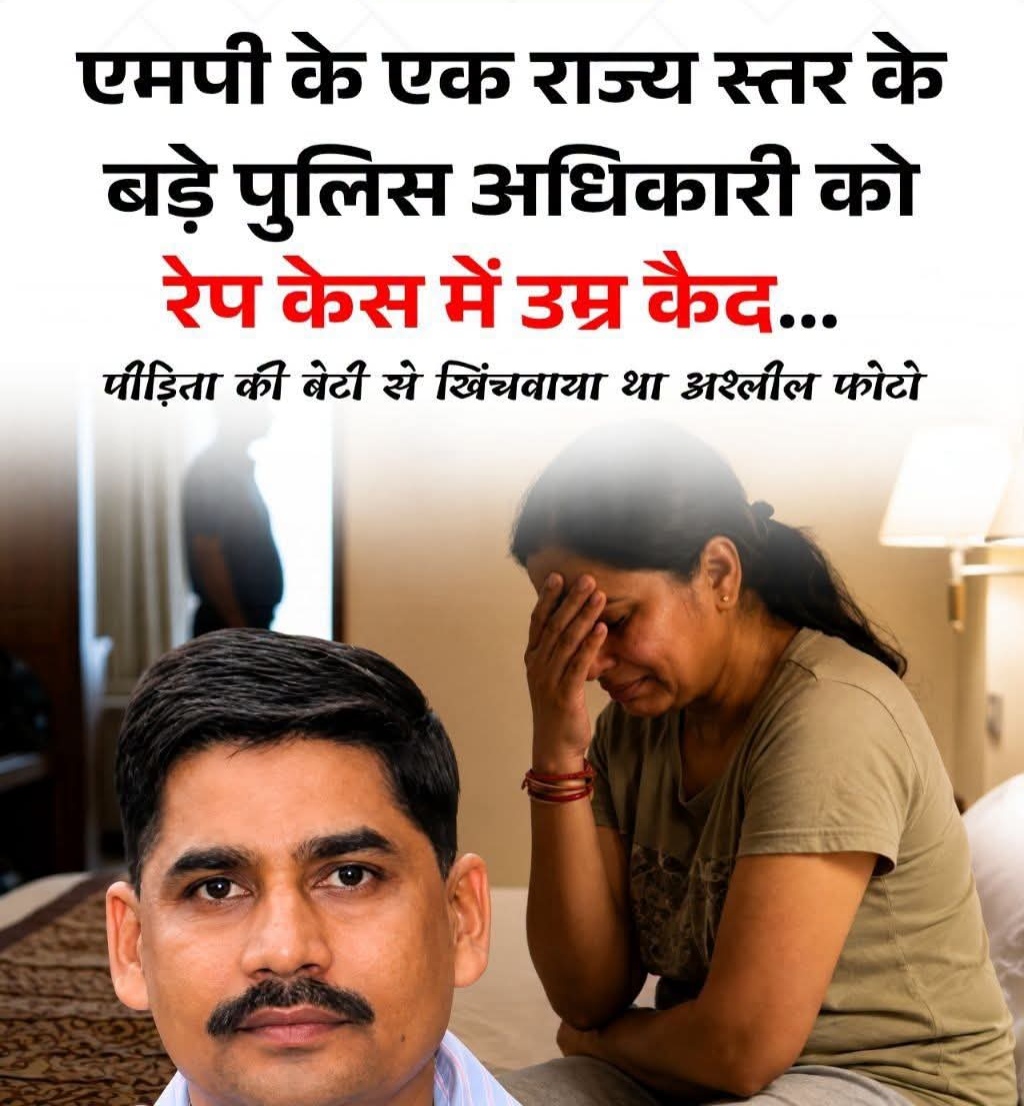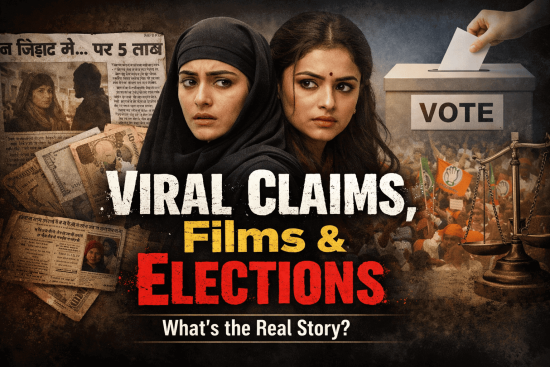
Nearly a decade ago, around 2017, a set of purported newspaper clippings began circulating widely across social media platforms. These images alleged the existence of a structured campaign under the label of “love jihad,” claiming that financial incentives were tied to targeting women from particular communities. Some of the viral posts even suggested that the amount allegedly varied based on social hierarchy.
The material spread quickly, fueling debate and, in some cases, anxiety. Yet despite the intensity of the discourse, no publicly available, officially verified report conclusively established the existence of a formalized, incentive-based structure of the kind described in those posts. Independent verification efforts at the time questioned the authenticity and sourcing of several of the circulated images.
This leaves two equally important questions. If the claims lacked authenticity, why was there no widely publicized crackdown against misinformation? And if there were elements worth investigating, why were detailed findings not placed transparently before the public? In democratic systems, ambiguity often does more damage than clarity.
The Return of a Narrative Through Cinema
The debate has resurfaced following the trailer release of The Kerala Story 2, which appears to revisit themes that echo earlier controversies. The earlier film, The Kerala Story, had already generated polarized reactions nationwide.
Films are works of creative interpretation. They may draw inspiration from real incidents, testimonies, or public discourse, but they are not investigative commissions nor judicial pronouncements. Nevertheless, when cinema engages with issues involving religion, identity, or gender, its reach can significantly influence public perception.
The central concern, therefore, is not whether such films should be made—they are legally permissible within constitutional boundaries—but how they intersect with ongoing political and social debates. Does the narrative contribute to informed awareness, or does it intensify divisions that are already present?
Political Responsibility Beyond Rhetoric
The episode also highlights a broader accountability gap. Governments, when confronted with viral allegations that carry social consequences, are expected to respond with institutional clarity—either through transparent inquiry or decisive rebuttal. Public trust depends as much on communication as it does on action.
Opposition parties, meanwhile, are equally responsible for moving beyond dismissal or counter-accusation. Democratic maturity demands structured debate, calls for evidence-based review, and engagement through parliamentary or legislative mechanisms rather than relying solely on rhetorical pushback.
In highly polarized climates, political actors on all sides risk allowing emotionally charged narratives to eclipse empirical examination.
Electoral Atmosphere and Cultural Timing
It is also worth acknowledging the context in which such cultural products re-enter public discourse. Election cycles often amplify themes linked to identity, security, and social cohesion. Whether coincidental or commercially calculated, the resurfacing of controversial subject matter during politically sensitive periods invites closer scrutiny.
This observation does not imply intent; rather, it reflects the broader reality that public mood and political timing can magnify the societal impact of films and media narratives.
Freedom, Responsibility, and Institutional Balance
India’s constitutional structure protects freedom of expression, including artistic expression. At the same time, it places value on public order and communal harmony. The balance between these principles is not abstract—it is negotiated continually through public debate and judicial oversight.
Filmmakers exercise creative rights. Citizens exercise the right to question and critique. Courts serve as the final forum when disputes arise. That framework remains central to democratic resilience.
A Continuing Conversation
This editorial does not seek to validate past viral allegations nor to discredit cinematic storytelling. Instead, it underscores a persistent democratic challenge: when emotionally charged claims gain traction—whether through social media or the silver screen—clarity must follow.
In the absence of transparent, verifiable information, narratives tend to harden into beliefs. And once belief outpaces evidence, public discourse becomes more polarized than productive.
The unanswered questions from 2017 may not have disappeared. They have, instead, evolved—shifting from viral images to cinematic representation. The need for careful, fact-based engagement remains as urgent as ever.