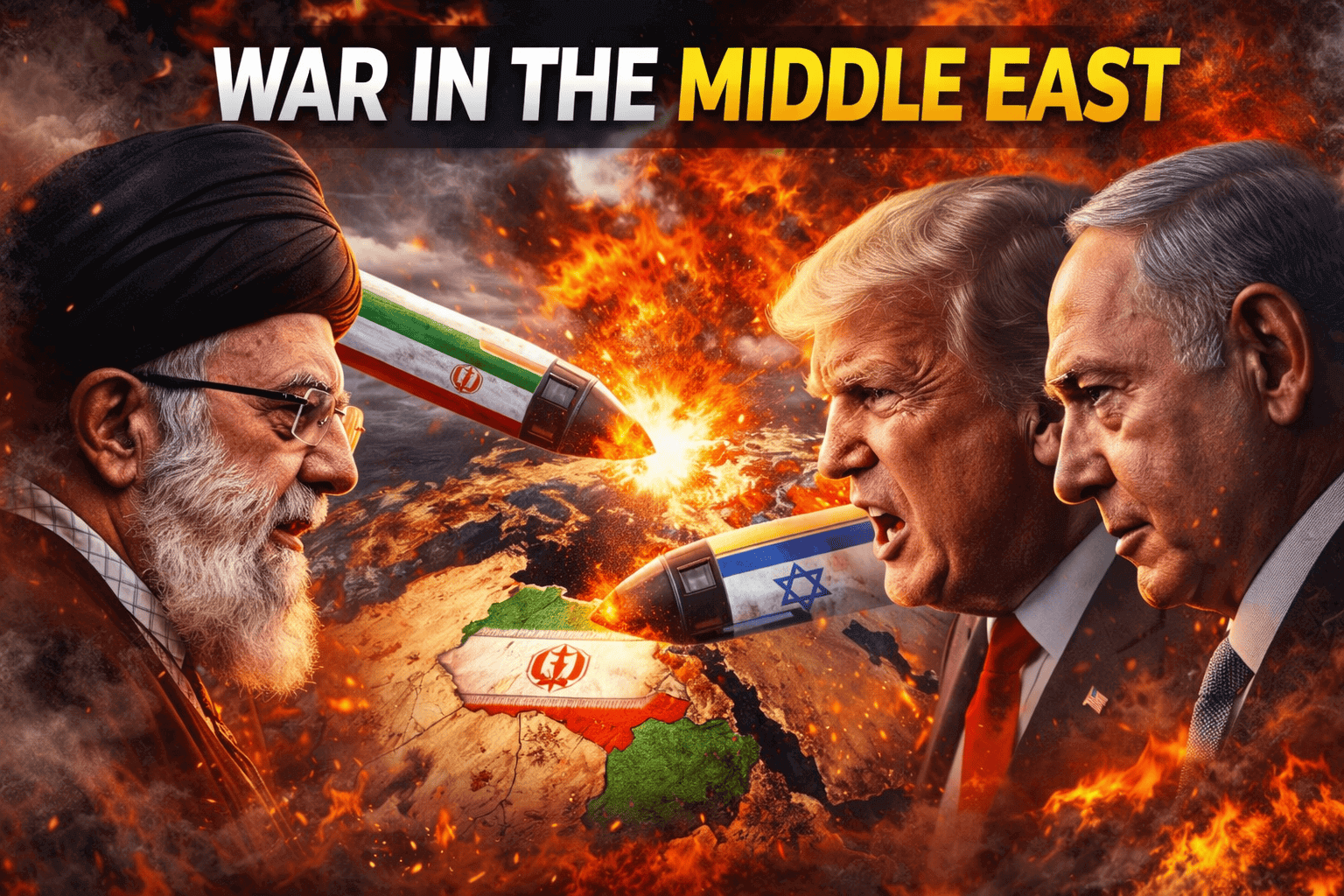
Black Rain Over Iran: Oil Fires, Mass Destruction and a Region on the Brink
The Middle East conflict between Iran and Israel has entered a devastating phase, with the joint U.S.–Israel military strikes on Iran reaching their ninth day. The ongoing bombardment has caused massive destruction across several Iranian cities, turning industrial zones into burning landscapes and forcing thousands of civilians to flee their homes in search of safety.
According to emerging reports, more than 1,700 people have lost their lives since the conflict escalated. Hospitals are overwhelmed with injured civilians, while basic services such as electricity, communication and water supply have been severely disrupted in several affected regions. Entire neighborhoods have reportedly been damaged due to missile strikes and air raids targeting strategic energy infrastructure.
One of the most alarming developments has been the massive oil leaks and refinery fires triggered by the strikes. In several industrial areas, damaged oil storage facilities have released large quantities of crude oil, which later caught fire. Witnesses described horrifying scenes where burning oil spread across roads and industrial grounds, creating conditions that locals compared to “rivers of fire.”
Adding to the environmental catastrophe, residents in some parts of Iran reported an unusual phenomenon described as “black rain.” Experts suggest that the rain could be caused by soot, ash and microscopic particles from burning oil mixing with rain clouds. This toxic fallout has raised serious concerns about long-term environmental damage and public health risks for people living in the affected areas.
The humanitarian crisis is rapidly deepening. Thousands of families have been forced to abandon their homes as explosions and airstrikes continue. Many civilians are moving toward safer regions or temporary shelters, while others remain trapped in conflict zones with limited access to food and medical aid.
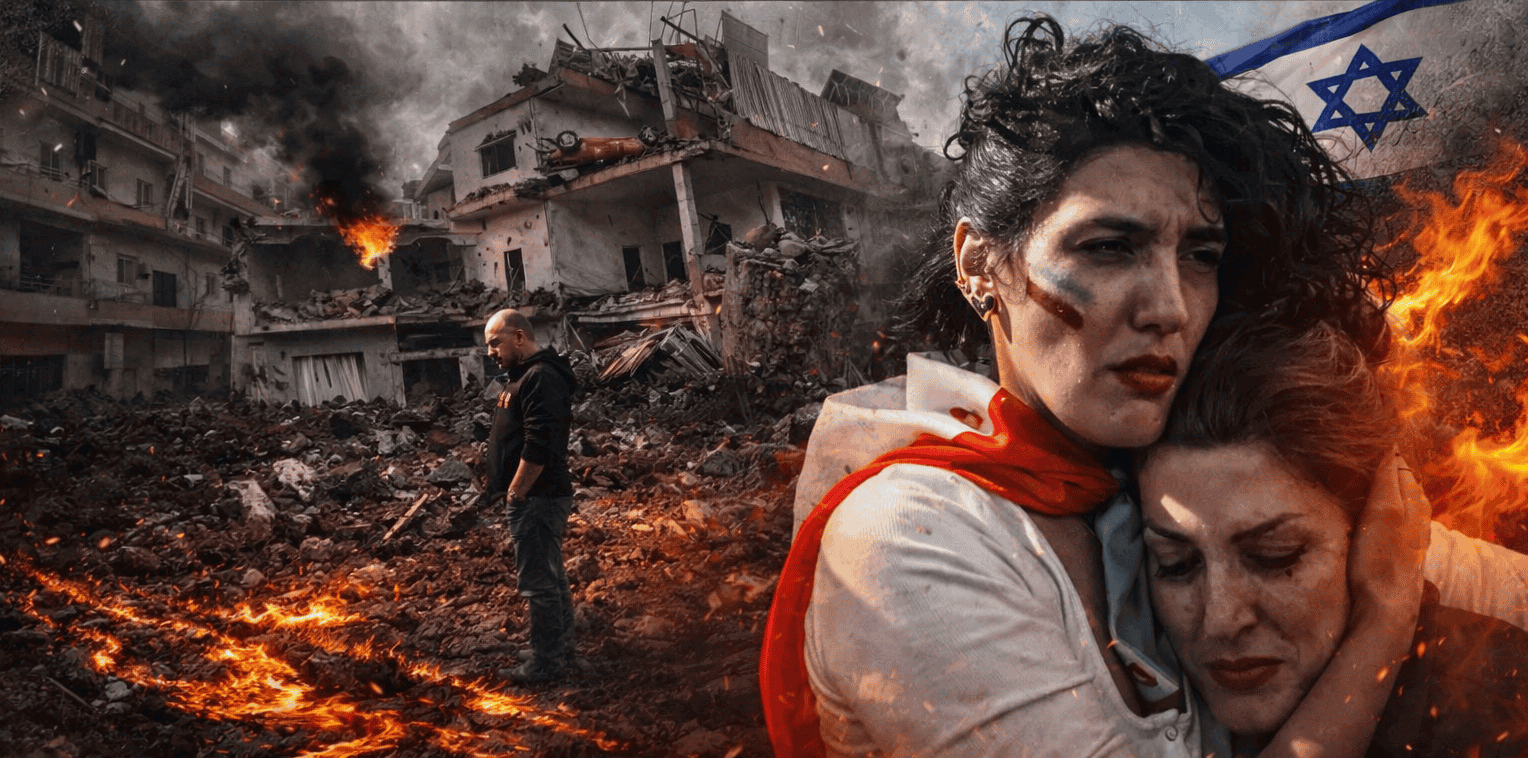
The impact of the war is also spreading beyond Iran. In neighboring Lebanon, Israeli forces have intensified attacks against Hezbollah, the Iran-backed militant group. As the strikes continue near border regions, many civilians—especially women and children—have been forced to spend nights on the streets or in temporary shelters, fearing further bombardment.
Globally, the war has sparked intense political reactions and public demonstrations. In the United Kingdom, large groups of protesters took to the streets on the same day—some showing support for Iran, while others backed the United States and Israel. The opposing marches highlighted the growing global polarization surrounding the conflict.
Meanwhile, Iran has attempted retaliatory actions. Over the past week, Iranian forces reportedly targeted the U.S. Terminal High Altitude Area Defense (THAAD) missile defense systems deployed in Saudi Arabia, the United Arab Emirates, and Jordan. THAAD is one of the United States’ most advanced missile defense systems designed to intercept ballistic missiles during their final phase of flight.
Security analysts warn that if the conflict continues to escalate, it could destabilize the entire Middle East. With multiple regional players already involved and global powers closely watching, the war threatens to expand beyond current battle zones—potentially impacting global oil markets, trade routes, and international security.
As the fighting continues, the world remains on edge, fearing that the crisis could transform into a much larger regional war with unpredictable consequences.