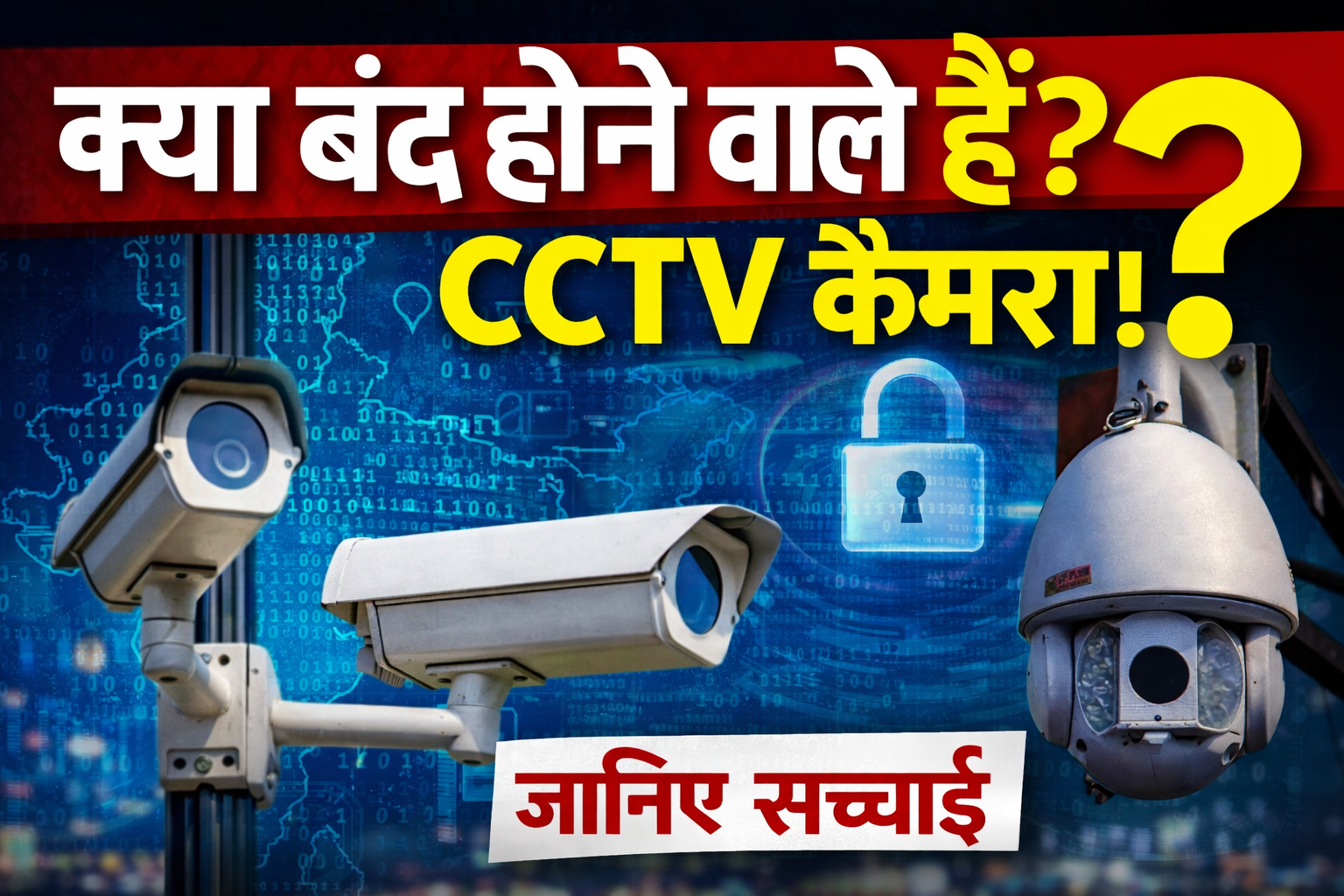
New Delhi: The Government of India has introduced a more structured and stricter regulatory framework for the sale and certification of internet-connected CCTV cameras, amid growing concerns over cybersecurity, data protection, and national security vulnerabilities. Contrary to widespread social media claims suggesting a “ban,” officials have clarified that there is no blanket ban on CCTV cameras in India. Instead, the move is focused on regulating the entry and usage of potentially high-risk surveillance equipment in the country.
According to the new guidelines, manufacturers and importers of CCTV cameras—especially those integrated with internet connectivity—will now be required to obtain mandatory security clearance from the Ministry of Electronics and Information Technology (MeitY) before their products can be legally sold in the Indian market. This process will include detailed evaluation of hardware components, firmware integrity, and data transmission protocols to ensure that the devices comply with India’s cybersecurity standards.
The development is expected to have a notable impact on several international brands, including Hikvision, Dahua Technology, and TP-Link, which have a significant presence in India’s surveillance equipment market. These companies may now face enhanced scrutiny and compliance requirements, and any failure to meet the prescribed norms could result in restrictions on their product sales or denial of certification.
Government sources indicate that the primary objective behind these measures is to mitigate risks related to unauthorized data access, remote surveillance manipulation, and cross-border data transmission, which could potentially compromise sensitive installations, public infrastructure, and private user data. Over the past few years, concerns have been raised globally about certain foreign-origin devices allegedly transmitting data to external servers without adequate transparency or user consent.
Importantly, authorities have emphasized that existing CCTV installations across residential, commercial, and government premises will remain unaffected. All currently operational systems will continue to function as usual, and there is no requirement for immediate replacement or discontinuation. The new rules will apply prospectively, meaning they are limited to future manufacturing, imports, sales approvals, and fresh certifications.
Industry experts believe that this policy shift will not only strengthen India’s cyber resilience and surveillance integrity but also provide a significant push to domestic manufacturers under initiatives like “Make in India” and “Digital India.” By enforcing stricter compliance norms, the government aims to encourage the development of secure, indigenous surveillance technologies that align with national interests and global best practices.
India has not imposed a ban on CCTV cameras. Instead, it has implemented a more robust and security-focused regulatory mechanism to ensure that only trusted and compliant surveillance devices are available in the market. Consumers can continue using their existing cameras without concern, but future purchases will increasingly depend on government-approved standards and certifications.