The ongoing geopolitical tensions involving Iran, United States, and Israel have triggered a major shockwave across global energy markets. One of the worst-hit countries is Pakistan, where fuel prices have skyrocketed to unprecedented levels, deepening the country’s economic crisis.
Fuel Prices Hit Record Levels
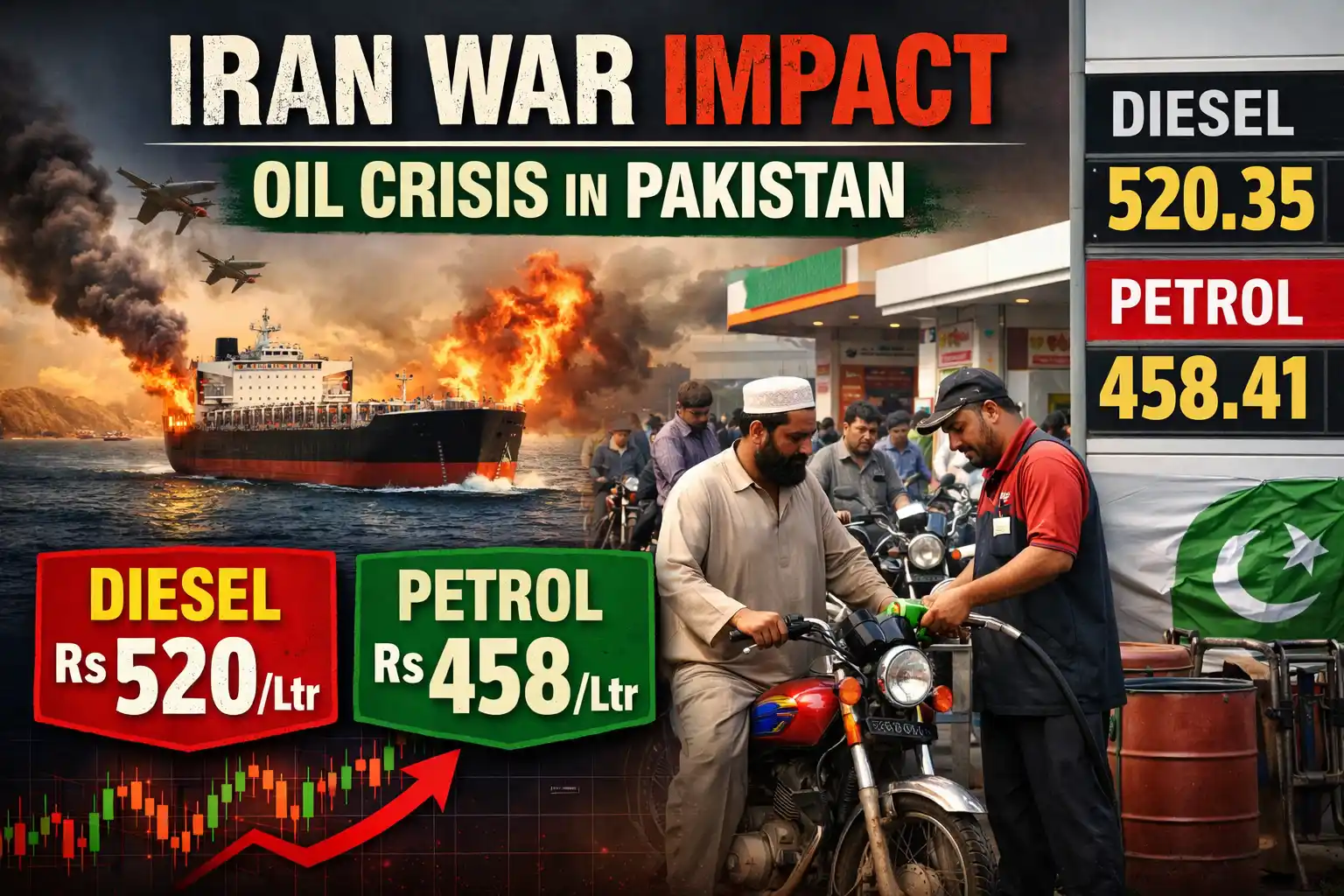
Pakistan’s government announced a massive increase in fuel prices effective April 3. Diesel prices surged by 54.9%, reaching PKR 520.35 per liter, while petrol prices jumped by 42.7%, hitting PKR 458.41 per liter. This marks one of the steepest fuel hikes in the country’s history.
| Fuel Type | March 28 Price (PKR) | April 3 Price (PKR) | Increase |
|---|---|---|---|
| Diesel | 335.86 | 520.35 | +184.49 |
| Petrol | 321.17 | 458.41 | +137.24 |
Why Prices Are Rising
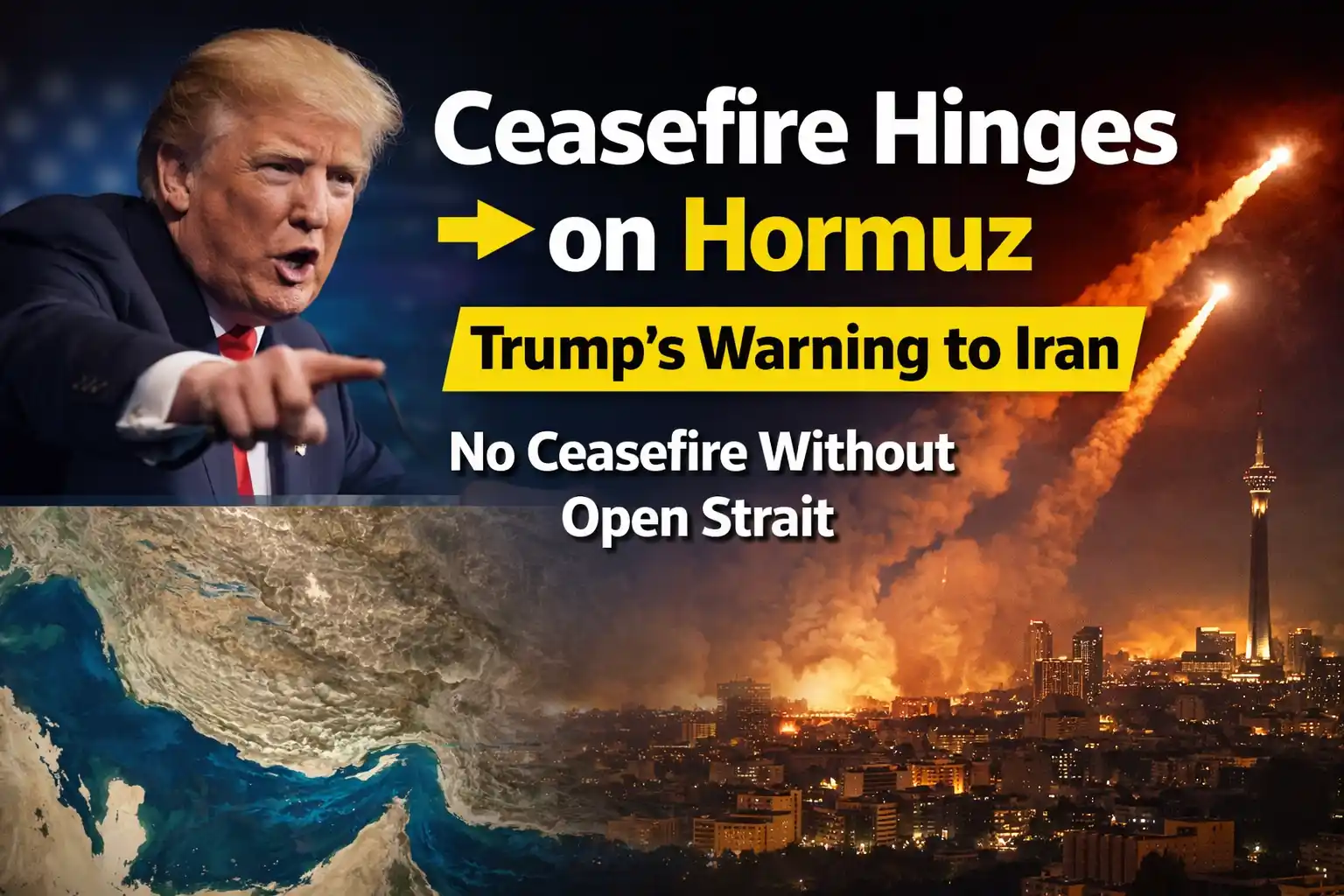
According to Pakistan’s Petroleum Minister Ali Pervaiz Malik, the sharp increase is directly linked to volatility in global crude oil markets following the Iran conflict. The situation escalated further after statements by former U.S. President Donald Trump regarding intensified military action.
Global benchmarks like Brent crude have risen by nearly 7%, while U.S. oil prices have surged over 11%, reflecting fears of supply disruptions—especially through the critical Strait of Hormuz, a vital route for oil shipments.
Pakistan’s Economic Vulnerability
Pakistan heavily relies on imported oil, primarily from Gulf countries such as Saudi Arabia and United Arab Emirates. Any disruption in supply routes or price spikes directly impacts its fragile economy.
The country had already increased fuel prices by nearly 20% last month, and this fresh hike is expected to push inflation even higher, affecting transportation, food prices, and industrial costs.
Government Relief Measures
Finance Minister Muhammad Aurangzeb announced targeted relief measures to ease public burden:
- PKR 100 per liter subsidy for two-wheeler users
- Limited to 20 liters per month
- Valid for three months
Additionally, the government has announced PKR 1,500 per acre financial aid for small farmers to support the agriculture sector, which contributes around 24% to Pakistan’s GDP.
Global Implications
The Iran war has not only destabilized regional geopolitics but also disrupted global energy supply chains. Rising oil prices are now impacting economies worldwide, but countries with weaker financial systems—like Pakistan—are facing the harshest consequences.
As tensions continue to escalate, analysts warn that fuel prices could rise even further, potentially triggering a broader economic crisis across South Asia.